REGISTERED NUTRITIONAL THERAPIST - SURREY
Perimenopause Nutrition & Weight Support Without the Struggle
Personalised nutrition and compassionate support for your weight, appetite, cravings and energy in midlife.


Feeling overwhelmed by food and your changing body?
Your weight is changing. You're hungrier than you used to be, your energy dips by the afternoon, and you're trying to look after everyone else while feeling increasingly frustrated with yourself.
You've read the books, listened to the podcasts and tried to make changes. But knowing what to do and making it work on a busy Tuesday are two different things.
What helps is a structure that works for your body and your real life. That's where we start: understanding what's happening in your body, what's getting in the way, and finding a way of eating you can come back to, whatever the week brings.
MY APPROACH
Something to fall back on, not another diet to get trapped in
Nobody comes to my clinic asking for structure. Women come feeling overwhelmed, confused by nutrition advice and unsure how to fit eating well into busy lives. Yet structure is exactly what turns their health around.
It's a personalised, flexible framework that helps you nourish your body when you're tired, fed up or simply don't know what to eat. You understand the nutrition, have practical ideas to rely on and learn to eat well consistently, whether you have time to cook, need something quick or life doesn't go to plan.
Without rigid rules
Without perfectionism
Without starting over every Monday
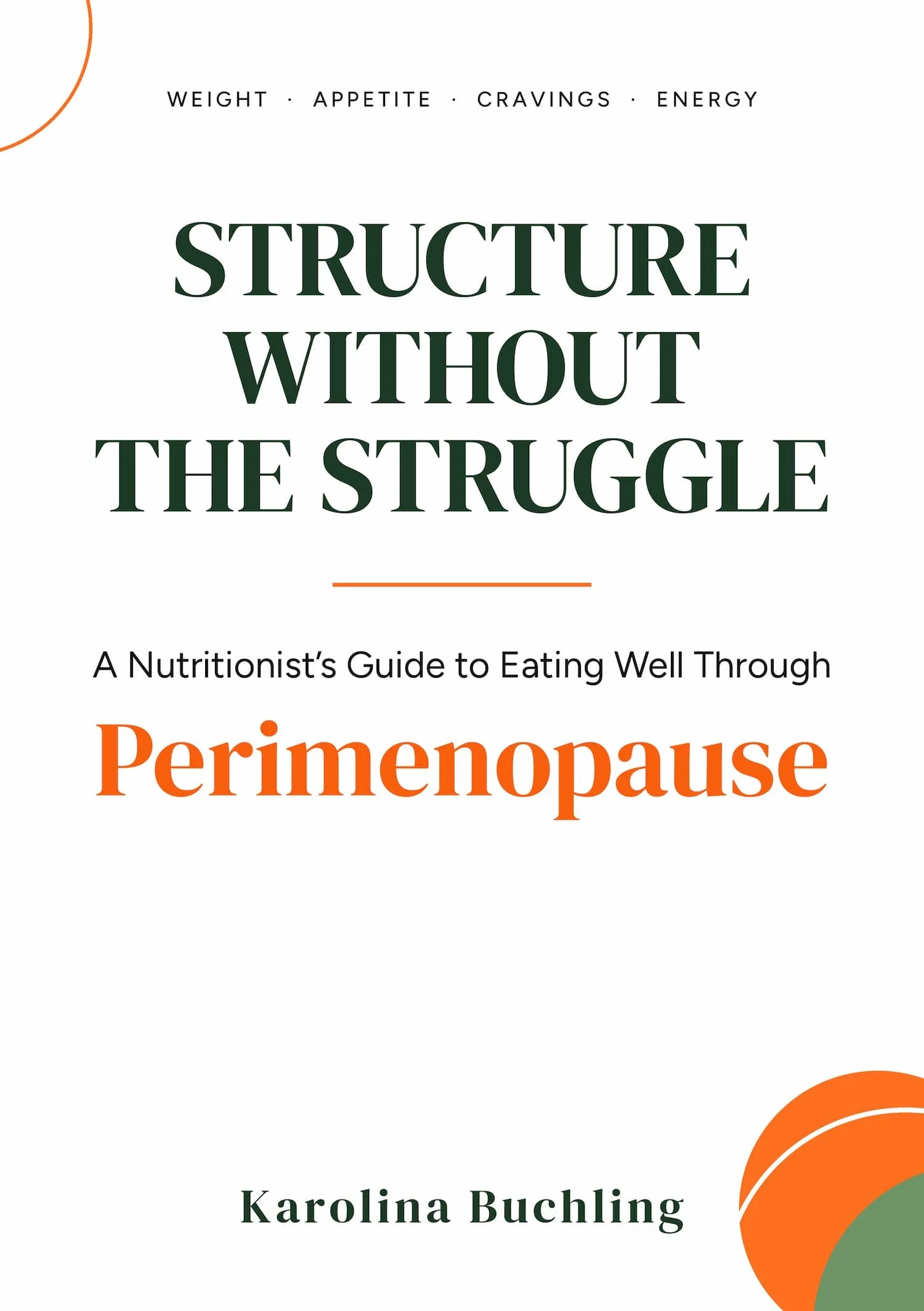
The idea behind my upcoming book,
Structure Without the Struggle
“I’ve seen nutritionists before and no one has ever been so thorough. The ongoing support has been amazing. I’ve lost the weight and have never eaten so normally before! No diets or binges, just consistent eating. Can’t recommend her enough!”
Anna
Ways to work with me
START HERE
Perimenopause Foundations
£499 6 weeks · 6 sessions
Build your structure: a personalised plan for eating well and looking after yourself, with support to put it in place.
SIGNATURE PROGRAMME
Perimenopause Reset
£995 4 months · 12 sessions
Make it last: your structure, plus the coaching and time to change your weight, energy and relationship with food for the long term.
Using GLP-1 medication? I offer tailored nutrition support alongside it. Find out more
Alongside any programme, I can also support you with emotional eating and functional testing
Not sure which is right for you? Book a free Clarity Call
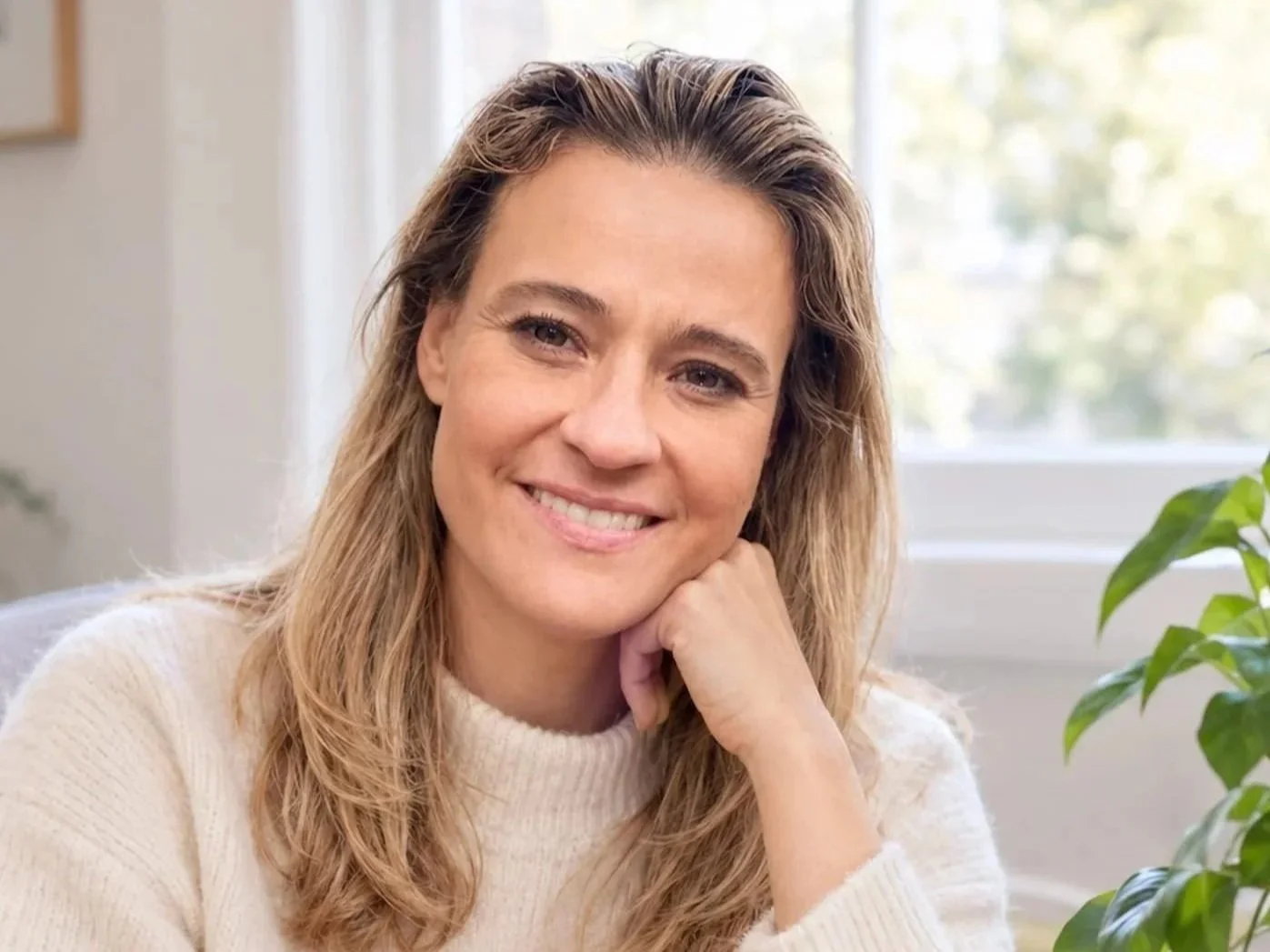
HELLO, I AM KAROLINA
I know the struggle. That’s why I teach structure.
For years, I went from one diet to the next, trying to control my weight and eating. Instead, I often ended up overeating, frustrated and wondering why nothing worked.
Perhaps you know that feeling, too. You want to feel better in your body, but knowing what to eat and making it work in everyday life aren't always the same thing.
I'm a Registered Nutritional Therapist and Eating Psychology Coach. In ten years of working with women, I've learned that a meal plan alone isn't always the answer. You need someone who understands your body, your story and your life.
Together, we'll build your structure — the one you can rely on and fall back on, to nourish yourself and support your health without making it another struggle.
I work with women across Surrey, including West Byfleet, Woking and Guildford and online across the World.
Let’s make it simple
A free 30-minute call. Tell me what's going on, and you'll leave knowing your next step.
No pressure to sign up.
Free call → Your Structure → Support while it becomes yours
Articles